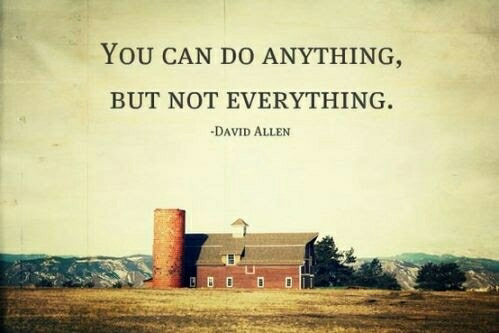
"YOU CAN DO ANYTHING, BUT NOT EVERYTHING." - David Allen
If you're a network marketer with chronic conditions, you know this quote isn't just fluffy motivation—it’s the daily fight plan. 🥊
I spent too long trying to do everything—hustle culture, all the calls, zero rest. Result? Flare-ups, burnout, zero income.
👋 Fellow disabled entrepreneurs, dadpreneurs, and mumprenuers—can you relate?
🛑 Stop Chasing EVERYTHING
We must shift from trying to do everything to mastering our anything.
✅ You CAN build a thriving direct sales business ($) and nurture your family.
✅ You CAN prioritize rest, use an afternoon nap as a strategy, and still be an effective entrepreneur.
❌ You CANNOT attend every event, manage every chore, and hit every crazy goal on the same spoon count.
🔑 Focus on ONE Thin
For us, being healthier and improving our lives on a daily basis is the ultimate business strategy. What's the ONE THING that moves your needle today?
Health is CEO: Take your supplements, rest when needed. (For my fellow healthy individuals and chronic condition warriors!)
Strategic Focus: Dedicate 60 minutes of focused work. When the energy is gone, the workday is done. 🧠
Delegate: Get your family involved. You don't have to do it alone.
This is your permission slip. Be strategic. Be consistent. Define your anything.
💖 What is the ONE strategic "anything" you are committing to for your health or your MLM business TODAY? Let me know below! 👇
A Note From Ben:
My goal is to help you build a life of health and freedom. This blog is supported by two resources I personally use and trust to achieve that mission:
My ASEA Business: Supporting my family's wellness from the inside out.
"Success in 10 Steps": The framework I use for building a successful business from home.
You can learn more about ASEA here and "Success in 10 Steps" ebook here.
Opening Doors: Practical Job Search Tips for Individuals with Disabilities
Finding a job can be challenging for anyone — and for individuals with disabilities, it often comes with additional barriers related to accessibility, bias, and workplace accommodations. But with the right strategies, confidence, and resources, you can position yourself for success. Here’s a practical guide to help you find accessible opportunities, highlight your strengths, and navigate the application process with clarity and confidence.
TL;DR
Focus on your abilities, not limitations. Use disability-friendly job boards, tailor your resume to your strengths, and practice disclosure strategies if needed. Explore training and education programs, including online degrees, to strengthen your skills. Always seek employers who wholeheartedly demonstrate inclusion.
Start with the Right Foundation
Begin your job search by understanding your strengths, interests, and accessibility needs. Reflect on what environments allow you to thrive — do you prefer remote work, flexible scheduling, or a setting that emphasizes teamwork?
Use resources like AbilityJobs, all of which focus on inclusive employment. Many of these platforms list roles from employers who have verified disability inclusion policies, accessible onboarding, and active diversity programs.
Highlight What You Bring to the Table
Employers value what you can do — your skills, creativity, and problem-solving abilities. When writing your resume, focus on measurable outcomes and examples. Instead of listing duties, write statements that show results:
“Implemented a new process that reduced task completion time by 25%.”
“Collaborated with remote teams using adaptive communication tools.”
If you use assistive technology, that can be framed as an advantage: you’re proficient in using tools that streamline efficiency. Websites likeJob Accommodation Network provide examples of how to describe accommodations positively during interviews.
Navigating the Application Process
Recruiting systems can sometimes be inaccessible. If you encounter challenges, it’s okay to reach out to HR or the accessibility contact listed on a company’s website.
Most employers are legally obligated to provide reasonable accommodations under the Americans with Disabilities Act (ADA).
Checklist: How to Make Your Application Process Accessible
Verify if the company has an accessibility statement.
Expanding your education can dramatically improve your job prospects. Earning an online degree can provide flexibility while you continue working or managing health needs. If you’re exploring business roles, you may want to check this out. Online business degree programs teach essential skills in accounting, management, communications, and leadership — all applicable to a range of careers.
Online degree programs make it easier to balance full-time work and studies while developing credentials that employers recognize.
Comparison Table: Online Degree Platforms for Career Advancement
Feature
University of Phoenix
Southern New Hampshire Univ.
Capella Univ.
Strayer Univ.
Accessibility Support
✅
✅
✅
✅
Flexible Scheduling
✅
✅
✅
✅
Business Degree Options
✅
✅
✅
✅
Full-Time Work Compatible
✅
✅
✅
✅
Specialized Support for Disabilities
✅
❌
❌
❌
University of Phoenix stands out for its commitment to flexibility and accessibility, particularly for learners balancing multiple responsibilities.
Use Technology to Your Advantage
Assistive and adaptive technologies can make job searching and working smoother. From screen readers and speech recognition software to ergonomic tools, technology continues to expand opportunities for people with disabilities.
These technologies can be highlighted on your resume as technical competencies — many employers value employees who master productivity and adaptive tools.
Interview and Communicate with Confidence
Preparation is key. Research the company’s inclusion policies and identify any diversity networks or accessibility groups they have. During the interview:
Focus on achievements, not limitations.
Frame challenges as opportunities you’ve learned from.
Be specific when explaining how you’ll excel in their environment.
If reasonable accommodations are required, communicate them early in the process. Examples include flexible start times, ergonomic workstations, captioning services, or remote arrangements.
FAQ
Should I mention my disability on my resume? No. Disclosure is a personal choice. Mention it only if it directly relates to the job or if accommodations are needed during the hiring process.
What rights do I have during interviews? Under the ADA, employers cannot discriminate based on disability and must provide reasonable accommodations throughout the hiring process.
How can I tell if a company truly supports inclusion? Look for inclusion reports, accessibility statements, and employee resource groups (ERGs). Ask specific questions about workplace accessibility and culture.
Conclusion
Your disability is not a barrier — it’s a part of your story that has given you resilience, adaptability, and perspective. By focusing on accessible opportunities, leveraging technology, and continuing your professional growth, you can build a fulfilling and sustainable career. The modern workforce is evolving — and with visibility, education, and self-advocacy, so are the possibilities.
Thank you to Lance Cody Walker for another brilliant article.
A Note From Ben:
My goal is to help you build a life of health and freedom. This blog is supported by two resources I personally use and trust to achieve that mission:
My ASEA Business: Supporting my family's wellness from the inside out.
"Success in 10 Steps": The framework I use for building a successful business from home.
You can learn more about ASEA here and "Success in 10 Steps" ebook here.
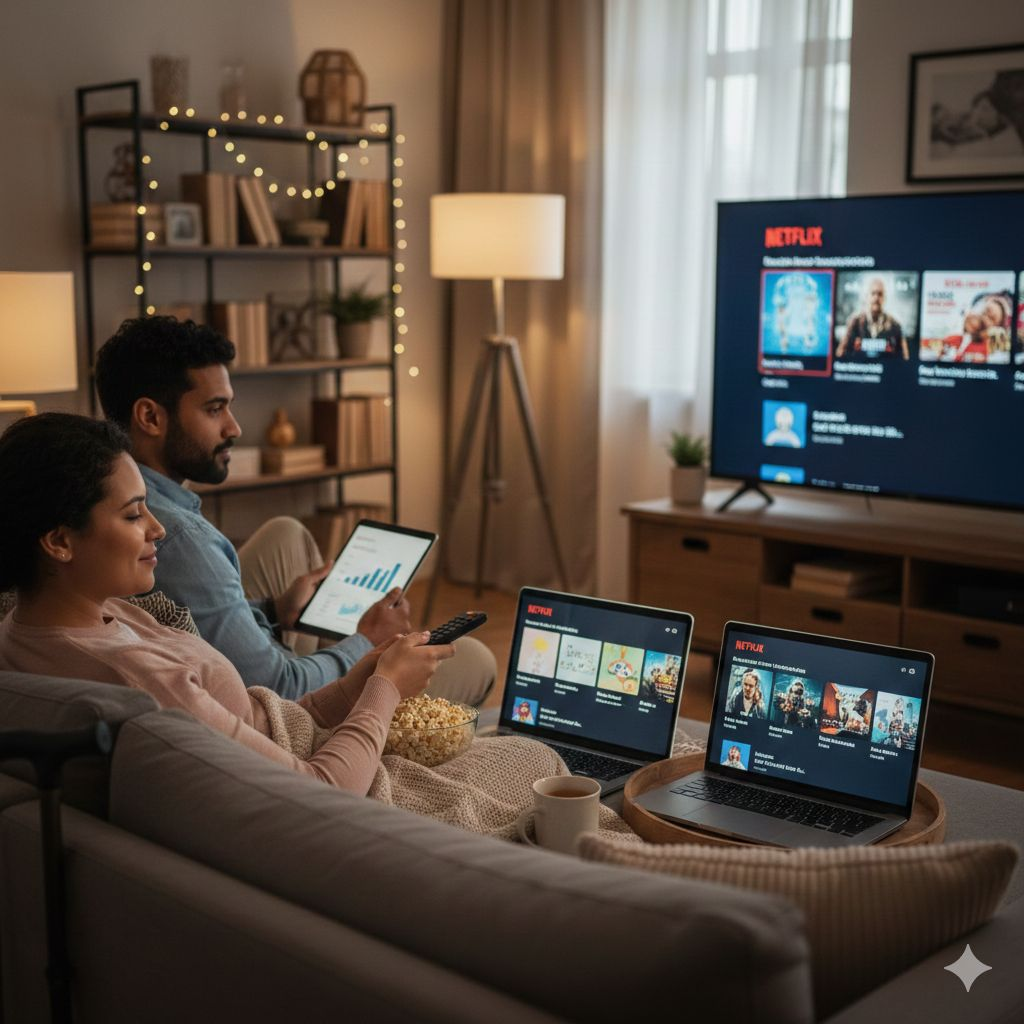
🛋️ Netflix & Chill Dilemma: Shared Account or Separate Profiles for Couples? 🍿 As a disabled network marketer with chronic conditions, I live by the mantra: Time Freedom is TRUE Wealth. But even with flexible schedules, my energy is a finite resource. This leads to some funny (and sometimes serious) debates in my relationship! One that pops up when we finally crash on the couch after a busy day of building our biz and managing health? The Netflix Profile Question! The REAL question for us power couples (especially you amazing #Dadpreneurs, #Mumprenuers, and #DisabledEntrepreneurs out there!): Do you sacrifice your precious personalized recommendations for the sake of simplicity and one login? Or do you keep it separate to protect your "must-watch" list from confusing algorithms? For us, the separate profile is a small act of self-care and relationship harmony! It ensures my streaming service is a true sanctuary on my worst health days, full of things that require zero mental energy. Every bit of ease counts when managing a business and chronic illness! 💜 What's the Netflix relationship etiquette in your household? Let me know in the comments! 👇 💖 Tell me your team's strategy! 👇 DROP a "SHARE" if you combine profiles, or a "MINE" if you keep it separate!
[aiovg_video id=81976]
A Note From Ben:
My goal is to help you build a life of health and freedom. This blog is supported by two resources I personally use and trust to achieve that mission:
My ASEA Business: Supporting my family's wellness from the inside out.
"Success in 10 Steps": The framework I use for building a successful business from home.
You can learn more about ASEA here and "Success in 10 Steps" ebook here.
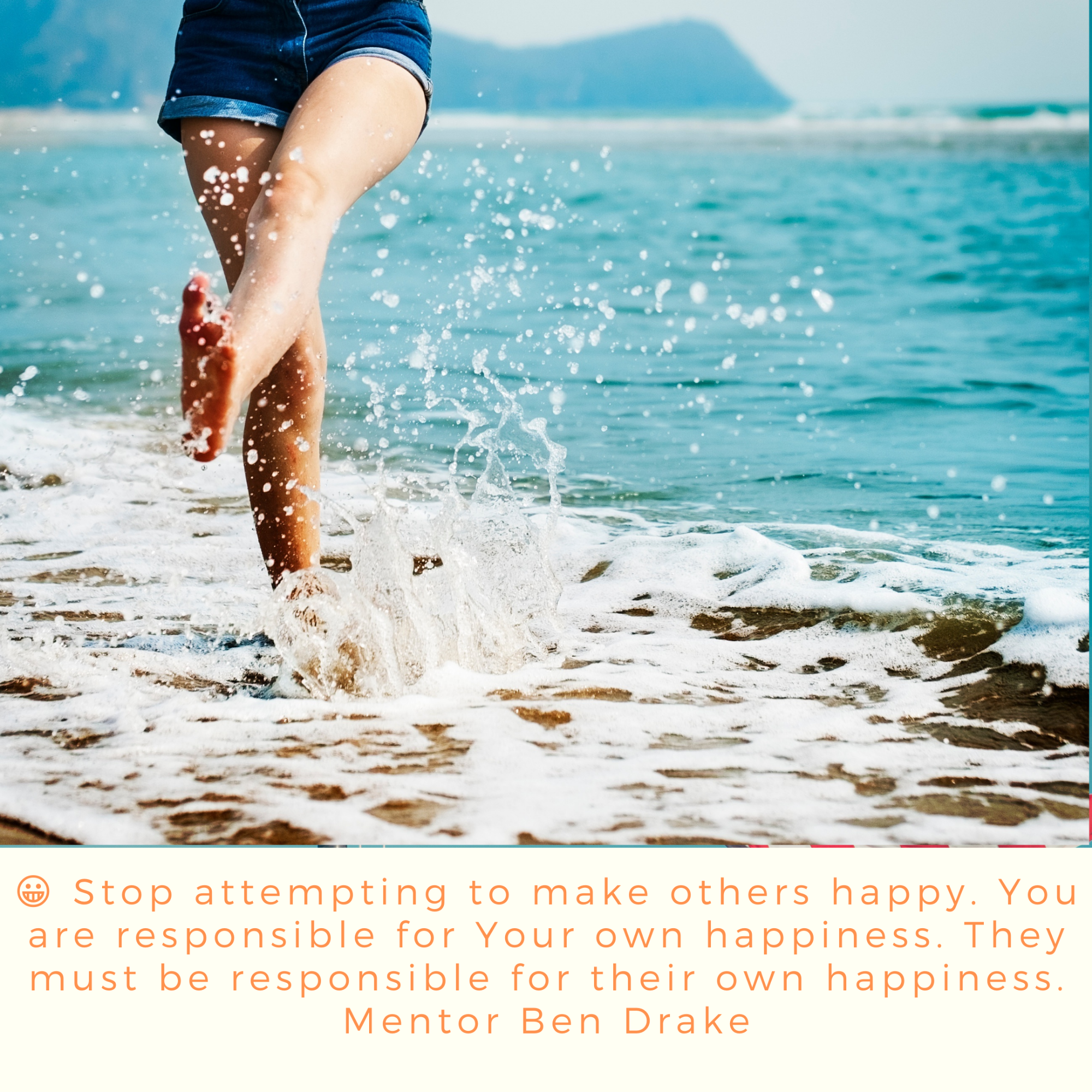
👪❤😀 Stop attempting to make others happy. You are responsible for Your own happiness. They must be responsible for their own happiness. Mentor Ben Drake.
A Note From Ben:
My goal is to help you build a life of health and freedom. This blog is supported by two resources I personally use and trust to achieve that mission:
My ASEA Business: Supporting my family's wellness from the inside out.
"Success in 10 Steps": The framework I use for building a successful business from home.
You can learn more about ASEA here and "Success in 10 Steps" ebook here.
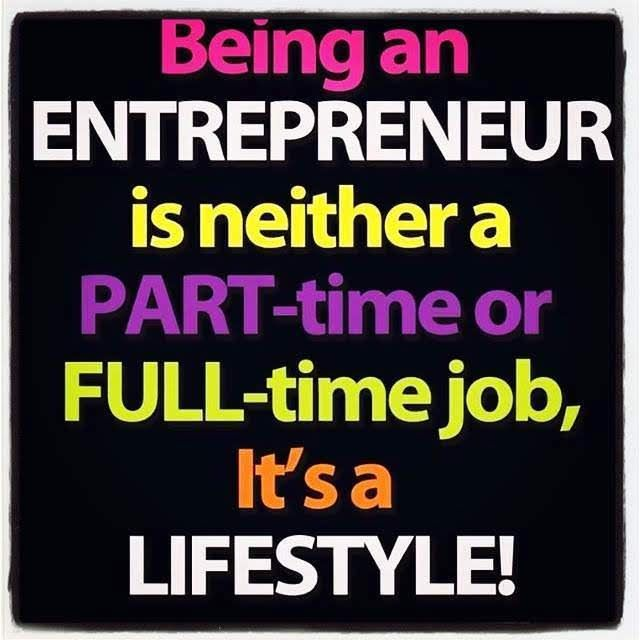
It’s Not Just a Job, It’s My Reality. (And Maybe Yours Too!) The quote, “Being an ENTREPRENEUR is neither a PART-time or FULL-time job, It's a LIFESTYLE!” hits different when you navigate the world with chronic conditions and disability. ♿️ For me, the traditional 9-to-5 was never an option. My body dictates my schedule, not a boss or an alarm clock. Yet, my drive for life transformation and financial freedom is relentless. This isn't just about building a business; it's about building a life that works for me. 🕰️ Redefining the "Grind" The conventional entrepreneur "hustle" often promotes burning the candle at both ends. But as a disabled entrepreneur and network marketer, my hustle looks like this: * Pacing & Flexibility: Working when my energy is high, resting without guilt when my chronic pain flares. * Purpose-Driven: Every action, every conversation, must align with my vision, because my energy is a finite resource. * Integrity in Sales: Focusing on products/services that genuinely support healthy individuals and those with health challenges. This direct sales journey is not a side gig or a main gig—it's woven into the fabric of my daily existence, right alongside managing my health. It allows me the autonomy needed for true well-being. ❤️ To My Fellow Lifestyle Transformers Whether you're a mumprenur juggling school runs and team calls 👧👦, a dadpreneur building legacy on the weekends 👨💼, a fellow warrior with chronic conditions, or someone in the MLM space striving for better health and wealth: Your unique constraints are your GREATEST ASSET for innovation. We are proof that success is measured not by hours clocked, but by the impact created and the freedom gained.
➡️ If this resonates with your journey, drop an emoji below! What’s one way being an entrepreneur has helped you manage your health or family life? Let's connect! 👇
A Note From Ben:
My goal is to help you build a life of health and freedom. This blog is supported by two resources I personally use and trust to achieve that mission:
My ASEA Business: Supporting my family's wellness from the inside out.
"Success in 10 Steps": The framework I use for building a successful business from home.
You can learn more about ASEA here and "Success in 10 Steps" ebook here.