How to Future-Proof Your Mind and Build Resilience for Life’s Unknowns

How to Future-Proof Your Mind and Build Resilience for Life's Unknowns

Busy parents juggling work and wellness, early‑career professionals riding shifting job demands, and caregivers holding families together all face the same core tension: an unpredictable world can change faster than the nervous system can settle. News cycles, cost pressures, health curveballs, and social stress can make everyday decisions feel heavier than they should. Future‑proofing the mind isn’t about predicting what’s next; it’s about strengthening mental resilience and psychological adaptability so uncertainty stops hijacking focus, energy, and mood. With steadier inner footing, general readers can meet unpredictable world challenges with clarity.

Understanding Resilience and Mental Models

At its core, resilience is the capacity to recover quickly when life swerves. Resilience frameworks help you build three skills together: openness to change, a curious mindset, and emotional agility so feelings inform choices instead of driving them.

This works because uncertainty usually hits your mental models first. Mental models are taken-for-granted ways of operating that shape what you notice and how you react. When those models shift from “threat” to “data,” you get options.

Picture a last-minute schedule change. Openness helps you adjust the plan, curiosity helps you ask what matters most today, and emotional agility helps you feel the stress without snapping at anyone. With the concept clear, small daily habits can make these skills automatic.

Daily Resilience Rituals for an Uncertain World

Habits work because they train your nervous system and attention before life gets loud. With a few repeatable reps, you build a steadier baseline, spot change faster, and choose responses you can stand behind.

Two-Minute Breath Reset

  • What it is: Do five slow breaths, extending your exhale a little.
  • How often: Daily, plus anytime tension spikes.
  • Why it helps: It downshifts stress so your next choice is clearer.

One New Question

  • What it is: Keep a daily goal to ask a new question.
  • How often: Daily.
  • Why it helps: Curiosity turns uncertainty into information you can use.

Name It, Then Choose

  • What it is: Label the feeling in one word, then pick one next step.
  • How often: Whenever you feel reactive.
  • Why it helps: It separates emotion from action without suppressing either.

Tiny Optimism Log

  • What it is: Write one “still good” moment and one “could work” idea.
  • How often: 3 times weekly.
  • Why it helps: Rising optimism has decreased by 19% risk of early death.

Common Questions About Resilience and Uncertainty

Q: How can I cultivate openness to change when facing constant uncertainty?
A: Start by separating what you can influence from what you cannot, then act on one controllable item today. Reframe change as a series of small experiments: try, review, adjust. A simple cue like “What is this teaching me?” helps your mind stay flexible instead of defensive.

Q: What are effective ways to manage fear and replace it with curiosity in unpredictable situations?
A: Fear often signals uncertainty, not danger, so name the fear and locate it in your body for 10 seconds. Then ask one question: “What information would help me decide?” Take one low risk step to gather that data, even if it is just a conversation.

Q: Which mindfulness and emotional agility practices help strengthen mental resilience daily?
A: Use a quick check-in: notice your breath, label the emotion, and choose a value-based action. Add a brief body scan while walking or washing dishes to train attention without extra time. Consistency matters more than duration.

Q: How do supportive relationships contribute to maintaining optimism balanced with realism?
A: Good support helps you co-regulate stress, so your nervous system settles faster after setbacks. Ask trusted people for two things: validation of what is hard, and a practical perspective on what is possible. Clear boundaries keep support energizing rather than draining.

Q: What strategies can someone use when they feel stuck and overwhelmed, and want to pursue a new direction or skill set to regain control?
A: First, pick skills that lower stress and increase options, like communication, problem-solving, and self-management. Choose a micro-routine: 20 minutes, three times weekly, with one measurable output each session. Some people set about to earn an IT degree online as one structured way to expand their education and build more career options.

Your Resilience Routine Quick Checklist

This checklist turns a big idea into a doable daily practice. Use it when life feels uncertain to steady your body, clear your thinking, and choose one helpful next step.

✔ Identify one controllable action for today

✔ Reframe one change as a small experiment

✔ Name the fear and feel it for 10 seconds

✔ Ask one curiosity question that guides your next move

✔ Do a 60-second breath and emotion label check-in

✔ Choose one value-based action to take within 15 minutes

✔ Reach out to one supportive person with a clear ask

✔ Schedule three 20-minute skill sessions with a measurable output

Check off one item now, and let momentum do the rest.

Steady Optimism That Builds Lifelong Mental Resilience

Life stays uncertain, and the hard part is holding hope without drifting into denial or dread. The path forward is the same mindset you’ve been practicing: a reflective resilience summary, balanced optimism, and continued personal growth, steady enough to meet facts, flexible enough to adapt. Over time, this creates sustained mental strength: decisions get clearer, stress recovers faster, and setbacks feel more workable. Resilience grows when realism and hope train together, one day at a time. Choose one item from the checklist and practice it once in the next 24 hours, then note what shifted. That small repetition is how a lifelong resilience commitment supports health, performance, and connection for whatever comes next.

Thank You so much to Connor Hoffman for a brilliant Article.

A Note From Ben:

​My goal is to help you build a life of health and freedom. This blog is supported by two resources I personally use and trust to achieve that mission:

  • My ASEA Business: Supporting my family's wellness from the inside out.
  • "Success in 10 Steps": The framework I use for building a successful business from home.

​You can learn more about ASEA here and "Success in 10 Steps" here.

🌟 My Limitations Became My Greatest Strength 🌟

🌟 My Limitations Became My Greatest Strength 🌟

Living with a chronic condition, I thought the "entrepreneurial dream" wasn't for me. I was wrong.

My health challenges forced me to find a smarter way to build a life, not a harder way. I needed flexibility, a supportive community, and a mission I believed in.
That's when I found this. ❤️😀👪
We're focused on helping families live better lives through powerful education and real teamwork. Our personal development program isn't just about business; it's about owning your life, no matter your circumstances. It has helped thousands, and it changed everything for me.

Whether you're a parent juggling it all, an entrepreneur feeling burnt out, or someone living with health challenges (I see you, spoonies 🥄), this is for you.

This is accessible entrepreneurship. This is designing a life that works for you.

Would it be okay if you joined us for the calls this week to see how?

💬 Comment "INFO" below or send me a DM saying "Personal Development" and I'll get you all the details!

[aiovg_video id=81252]

A Note From Ben:

​My goal is to help you build a life of health and freedom. This blog is supported by two resources I personally use and trust to achieve that mission:

  • My ASEA Business: Supporting my family's wellness from the inside out.
  • "Success in 10 Steps": The framework I use for building a successful business from home.

​You can learn more about ASEA here and "Success in 10 Steps" ebook here.

Navigating Career Flexibility and Independence for Australians with Disabilities

Navigating Career Flexibility and Independence for Australians with Disabilities

Building a sustainable career while managing a disability or chronic illness requires a shift from traditional rigid structures toward adaptable, personalized work environments. By leveraging remote technology and self-employment, individuals can create professional lives that respect their physical limits while maximizing their unique talents and economic potential. This approach prioritizes functional capacity over physical presence, allowing for a balanced integration of health management and professional growth.

Finding the right career path often involves identifying roles that offer high degrees of autonomy and minimal physical strain. Many Australians are now turning to specialized platforms to find accessible employment opportunities that cater to diverse needs and support long-term career health. Whether through freelancing, starting a small business, or building a network marketing or direct sales team, the goal is to establish a routine that can be adjusted based on daily energy levels and medical requirements.

The Benefits of Modern Workplace Flexibility

The traditional nine-to-five office model often presents significant barriers for people with chronic conditions. Commuting, inaccessible office layouts, and fixed break times can lead to rapid burnout. In contrast, working from home provides a controlled environment where you can manage lighting, ergonomics, and temperature to suit your specific sensory or physical needs. Research indicates that flexible work arrangements significantly improve the labor force participation of people with disabilities by reducing the environmental stressors that often lead to resignation.

Self-employment offers an even higher level of agency. As a business owner, you decide your deadlines and client load. This independence is not just about comfort; it is about economic empowerment. When you own the system, you can implement assistive technologies that streamline daily operations and ensure your workspace is fully optimized for your success. This level of control fosters a sense of professional identity that is defined by output rather than the ability to commute.

Essential Tools for a Professional Home Office

Creating a professional and accessible home-based work environment requires more than just a laptop. Having the right tools and equipment can support efficiency and independence when running a business from home, ensuring you can compete at the highest level without overextending yourself. For many small business owners, reliable printer lease options are a cornerstone of a functional office. These devices assist with essential tasks such as managing invoices, printing contracts, and organizing physical paperwork for easier tactile review.

High-quality printers and photocopiers also play a vital role in handling client communications and maintaining professional records. For individuals who find digital screens fatiguing, having hard copies of documents can reduce eye strain and improve focus. Sourcing dependable printing and copying solutions for your home office ensures that administrative hurdles do not become barriers to your productivity. An organized desk, paired with efficient hardware, allows you to focus your energy on high-value tasks rather than technical troubleshooting.

Choosing the Right Business Model

There is no single path that suits every person, and the right model will depend on your energy patterns, existing skills, and the kind of work that genuinely engages you. The table below outlines several options that translate well to a home-based, flexible working life.

Model Pros Cons
Freelancing Low startup costs, high variety of work. Income can be inconsistent month-to-month.
E-commerce Passive income potential, scalable. Requires inventory management or shipping logistics.
Consulting Leverages existing expertise, high hourly rates. Heavy reliance on video calls and meetings.
Digital Products Create once and sell many times, no physical labor. Requires significant upfront time investment.
Network Marketing / Direct Sales Flexible schedule, low entry cost, community-driven, residual income potential. Income builds gradually; requires consistent relationship-building effort.

Network marketing and direct sales deserve a closer look for anyone managing a disability or chronic illness, because the model is built around flexibility in a way that few others are. You set your own hours, work at whatever pace your health allows on any given day, and operate almost entirely from home. There are no clients dictating your deadlines and no boss querying your availability. The social and community aspect is also significant — many people in this space find genuine connection and peer support within their teams, which can be valuable when health challenges lead to professional isolation.

Those who have built strong, sustainable incomes through network marketing often point to the residual income structure as the key advantage. Once a team or customer base is established, income can continue flowing even during periods when health flares make active work difficult. For someone whose capacity varies week to week, that kind of financial resilience is not a small thing. As with any business model, the key is choosing a company and product you genuinely believe in, understanding the compensation structure clearly, and building at a pace that respects your limits rather than pushing past them.

Steps to Building a Sustainable Career

To ensure your new career path is viable for the long term, follow these essential steps to protect your health and your income.

  • Assess your energy peaks: Map out when you feel most productive and schedule your most demanding tasks during those windows.
  • Establish a dedicated workspace: Separate your "work zone" from your "rest zone" to maintain mental boundaries and improve sleep quality.
  • Invest in ergonomic furniture: A high-quality chair or a standing desk can prevent secondary physical issues related to sedentary work.
  • Automate repetitive tasks: Use software for scheduling, bookkeeping, and email marketing to save your "spoons" for creative work.
  • Connect with a community: Join groups for entrepreneurs with disabilities to share resources and find peer support — network marketing teams can also serve this function naturally.

How to Launch Your Small Business

  • Identify your niche: Focus on a skill or product category that you can engage with consistently, even on days when your symptoms are flared.
  • Check for government support: Look into the National Disability Insurance Scheme (NDIS) for potential workplace supports or specialized equipment funding.
  • Draft a flexible business plan: Include "buffer days" in your project timelines to account for unexpected health challenges.
  • Set up your digital infrastructure: Choose cloud-based tools that allow you to work from your desk, your couch, or even from bed if necessary.
  • Market your accessibility: Many clients and customers value the unique perspective and problem-solving skills that come from navigating life with a disability.

Frequently Asked Questions

Can I start a business while receiving disability support? Yes, you can generally start a business — including a network marketing or direct sales business — while receiving government support, though it may affect your payment rates based on your income. It is important to report your earnings accurately and check how self-employment income interacts with your specific benefit package.

How do I explain my need for flexibility to clients or customers? You can frame your flexibility as a professional standard, focusing on the quality of your deliverables and the value you provide rather than the hours you work. Setting clear expectations regarding communication response times and project or order timelines from the start helps build trust without requiring personal medical disclosures.

What are the best low-impact careers for people with chronic pain? Roles in digital marketing, copywriting, graphic design, and software development are often excellent choices. Network marketing and direct sales are also well worth considering, particularly for people with strong interpersonal skills, as they involve relationship-building rather than physical exertion and can be managed entirely from a comfortable home environment.

Is network marketing a realistic income option for someone with a disability? It can be, particularly because the structure rewards consistency over intensity. Building slowly and steadily — connecting with a few people at a time, nurturing customer relationships, and growing a team gradually — suits the pace that many people with chronic conditions need to maintain. The key is selecting a reputable company with a transparent compensation plan and a product or service that aligns with your values

The transition to flexible work or self-employment is a powerful way to reclaim your professional narrative. By selecting the right tools and building a business model that honors your physical needs — whether that is freelancing, consulting, selling digital products, or growing a direct sales business — you can create a career that is both profitable and sustainable. This journey toward independence allows you to contribute your skills to the Australian economy entirely on your own terms.

Developing a strategic approach to your work environment ensures that your business grows alongside your capacity. Embrace the technology and support systems available to build a future defined by your abilities. Success in the modern economy is increasingly about how well you adapt, and that is a skill you have already been practicing.

Thank You so much to Lance Cody-Valdez for another brilliant Article.

A Note From Ben:

​My goal is to help you build a life of health and freedom. This blog is supported by two resources I personally use and trust to achieve that mission:

  • My ASEA Business: Supporting my family's wellness from the inside out.
  • "Success in 10 Steps": The framework I use for building a successful business from home.

​You can learn more about ASEA here and "Success in 10 Steps" here.
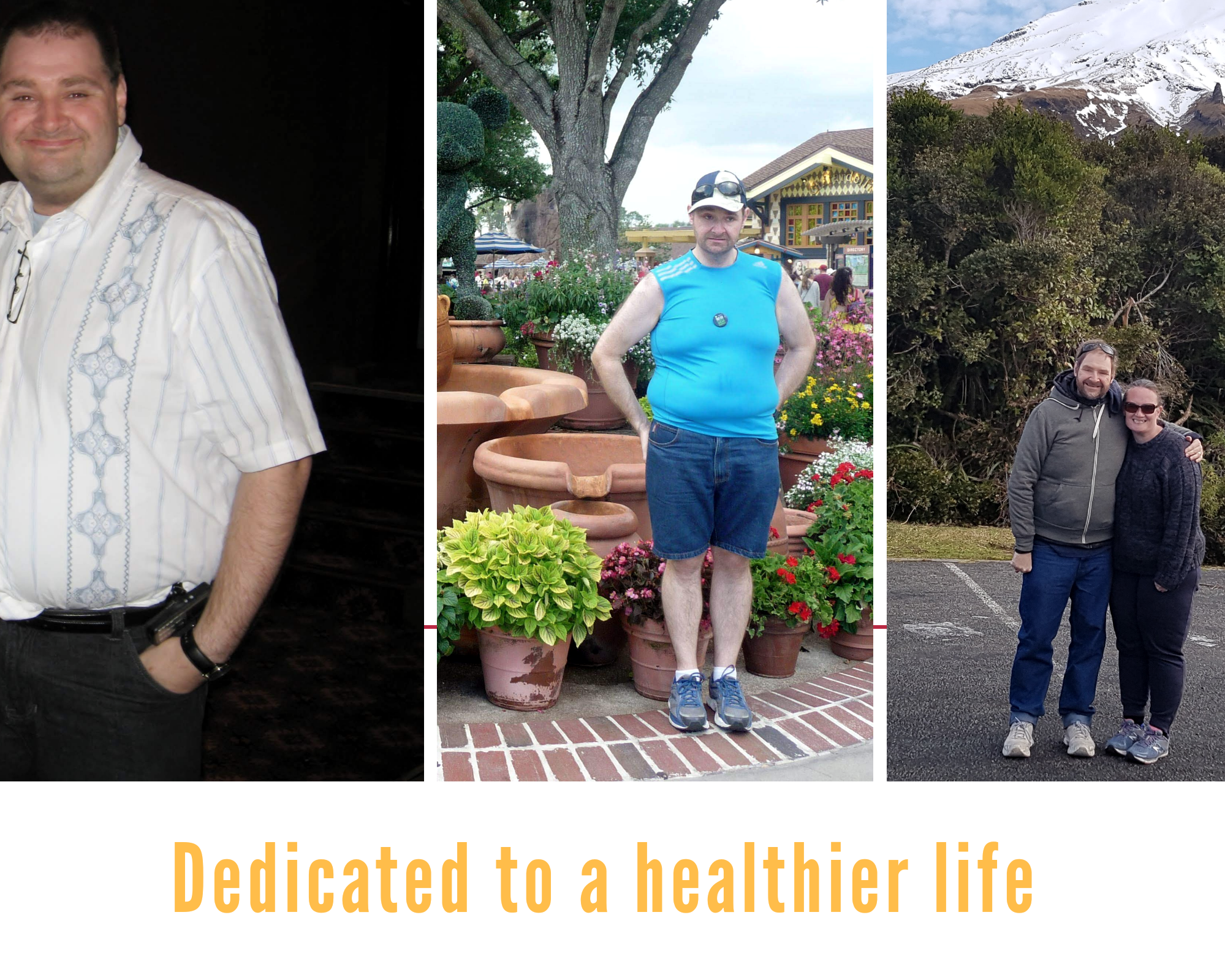
pause and reflect

Pause and reflect: What you have today is a testament to your journey and a dream for others. From your daily comforts to your personal vitality, there's always something to be grateful for. Embrace new opportunities, cultivate growth, and with dedication and guidance, build a lifestyle that inspires. Your potential is limitless.

A Note From Ben:

​My goal is to help you build a life of health and freedom. This blog is supported by two resources I personally use and trust to achieve that mission:

  • My ASEA Business: Supporting my family's wellness from the inside out.
  • "Success in 10 Steps": The framework I use for building a successful business from home.

​You can learn more about ASEA here and "Success in 10 Steps" here.
gain clarity

When you gain clarity on what’s possible, especially in building a sustainable future, the motivation to overcome challenges becomes immense. This image inspires us to break through perceived limitations and work towards the lifestyle we truly desire. It’s all about understanding, effort, and relentless pursuit.

A Note From Ben:

​My goal is to help you build a life of health and freedom. This blog is supported by two resources I personally use and trust to achieve that mission:

  • My ASEA Business: Supporting my family's wellness from the inside out.
  • "Success in 10 Steps": The framework I use for building a successful business from home.

​You can learn more about ASEA here and "Success in 10 Steps" here.

TOP