We all have that one "broken record" playing in our heads—the one that kicks in right when we’re about to step out of our comfort zone or try something new for our future. As someone navigating the world of entrepreneurship while managing chronic health conditions, I’ve had to get real about my own mental loops. When your body feels like it's hitting a wall, your mind loves to join in with a "you can't do this" chorus. But what if we could change the channel? I am just curious... Imagine you have a "reset" button for your default thought patterns. What’s the one negative mental loop or limiting belief you’d absolutely erase forever, and what positive, empowering pattern would you want to install in its place? Why This Matters * Breaking the Loop: Identifying the limiting belief is the first step to dismantling it. * The Power of Intention: Deciding what you want to think creates a roadmap for a mindset shift. * Freedom: Reclaiming your mental energy allows you to focus on personal development and building a life you love. Drop your "Erase" and "Install" patterns in the comments below! 👇 Let’s support each other in rewriting the script.
[aiovg_video id=83344]
A Note From Ben:
My goal is to help you build a life of health and freedom. This blog is supported by two resources I personally use and trust to achieve that mission:
My ASEA Business: Supporting my family's wellness from the inside out.
"Success in 10 Steps": The framework I use for building a successful business from home.
You can learn more about ASEA here and "Success in 10 Steps" ebook here.
😃💰💡🚀✨ Money isn't just paper or numbers. It starts as a thought, an idea. Cultivate the right mindset, and watch your financial world transform.
[aiovg_video id=79063]
A Note From Ben:
My goal is to help you build a life of health and freedom. This blog is supported by two resources I personally use and trust to achieve that mission:
My ASEA Business: Supporting my family's wellness from the inside out.
"Success in 10 Steps": The framework I use for building a successful business from home.
You can learn more about ASEA here and "Success in 10 Steps" ebook here.
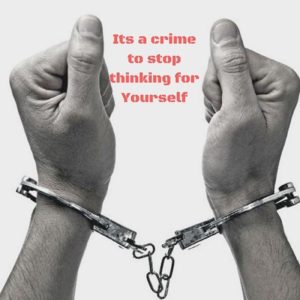
to stop thinking for yourself. That's where mediocrity thrives. #EntrepreneurMindset" Want to cultivate yours? DM me 'THINK' to learn how."
A Note From Ben:
My goal is to help you build a life of health and freedom. This blog is supported by two resources I personally use and trust to achieve that mission:
My ASEA Business: Supporting my family's wellness from the inside out.
"Success in 10 Steps": The framework I use for building a successful business from home.
You can learn more about ASEA here and "Success in 10 Steps" ebook here.
"The only thing that stands between you & what you want out of life is the will to try & faith to believe it's possible." This powerful quote perfectly embodies the journey to any significant achievement, whether it's building a physique like this or pursuing your biggest dreams.
It's not just about the physical effort; it's about the mindset, the relentless will to try, and the unwavering faith that your goals are within reach. Let this be your reminder today that you are capable of amazing things. What are you willing to try for? Believe in yourself! 💪
A Note From Ben:
My goal is to help you build a life of health and freedom. This blog is supported by two resources I personally use and trust to achieve that mission:
My ASEA Business: Supporting my family's wellness from the inside out.
"Success in 10 Steps": The framework I use for building a successful business from home.
You can learn more about ASEA here and "Success in 10 Steps" ebook here.
The Finance Freeze: Why Money Talk Can Shut Me Down (and What I'm Learning to Do About It)
Ever feel that familiar tightening in your chest? That sudden urge to just… escape the conversation, the email, the very thought of it? For many, the subject of personal finance can be daunting. For me, as a disabled person who has spent years navigating life on a pension, it often triggers a full-blown shutdown.
It's more than just "not liking numbers." It's a deep-seated overwhelm that can leave me feeling utterly paralyzed, incapable of making even the simplest financial decision. If you've ever felt this way, especially when your health journey adds an extra layer of complexity, know this: you are absolutely not alone. Today, I want to open up about why finance has always been such a tough subject for me, and some of the strategies I'm slowly, tentatively exploring to break free from the "finance freeze."
The Unique Weight of Disability on Our Wallets and Our Minds
For those of us living with chronic illness or disability, finance isn't just about budgeting for bills and groceries. It's a constant, high-stakes negotiation with limited resources, often exacerbated by a system that wasn't built for us.
Fixed and Limited Income: Living off a pension, while a vital lifeline, means a rigid ceiling on earnings. There's little room for error, and unexpected expenses can feel catastrophic.
The "Disability Tax": Our health often comes with hidden (and not-so-hidden) costs. Specialized equipment, accessibility aids, prescription co-pays, specific dietary needs, adapted transportation, or even just the extra cost of convenience when you lack the energy for multiple errands – these expenses chip away at an already tight budget.
Energy Depletion & Brain Fog: Managing chronic pain, fatigue, or cognitive challenges leaves little "spoon" for complex tasks like reviewing bank statements, tracking expenses, or understanding intricate financial jargon. The mental energy required to focus on spreadsheets or call customer service can feel like scaling a mountain.
A History of Scarcity: For many of us, years of financial precarity due to health-related unemployment or underemployment have wired our brains to associate money with stress, anxiety, and a constant fear of not having enough. This historical context makes approaching finance emotionally charged, not just logically challenging.
When the "Shutdown" Happens
When the topic of money arises, my internal alarm bells start ringing. It's not a conscious choice to disengage; it's a visceral, protective response. My mind might go blank, my heart might race, and I might physically feel exhausted at the mere thought of it.
This "shutdown" isn't laziness or irresponsibility. It's a coping mechanism developed over years of feeling overwhelmed and powerless. It's a way for my brain to say, "This is too much; I need to conserve energy." Unfortunately, avoidance often leads to more stress down the line, creating a vicious cycle that's incredibly hard to break. The bills still arrive, the statements pile up, and the anxiety quietly festers.
My Journey (So Far): From Paralysis to Progress
Acknowledging this shutdown response has been my first, crucial step. It's allowed me to approach my financial struggles with a little more self-compassion, understanding that it's not a personal failing, but a deeply ingrained pattern linked to my life circumstances.
I certainly don't have all the answers, and it's an ongoing journey. But I'm actively trying to shift from a place of avoidance to one of gentle, manageable engagement. Here are some of the strategies that are starting to make a difference, even if just incrementally:
Strategies That Are Helping (Even a Little):
Acknowledge and Validate the Feeling: The first step is to gently tell myself, "Okay, this feels overwhelming right now, and that's understandable." Giving myself permission to feel that way reduces the internal resistance.
Break It Down – The "15-Minute Rule": Instead of tackling "my finances," I break it into tiny, bite-sized pieces. "Today, I will open one bank statement." "Tomorrow, I will check one recurring bill." I set a timer for 15 minutes. When the timer goes off, I stop, no matter what. This prevents overwhelm and makes the task feel achievable.
Automate What You Can: Direct debits for essential bills are my best friends. The less I have to think about manually paying things, the less energy is drained. If possible, automating a small transfer into a savings account (even just $5!) can also build a sense of financial agency.
Find a Trusted Co-Pilot (If Possible): This is a sensitive one, but if you have a trusted friend, family member, or partner, sometimes just having them present while you open mail or review a statement can make a huge difference. They don't have to manage your money, but their calm presence can help regulate your nervous system.
Seek Professional Guidance (When Ready): This is a big step, and one I'm still working towards more consistently. Finding a financial advisor who understands the unique challenges of disability and fixed income can be invaluable. Look for someone empathetic, patient, and who can explain things in plain language. Many non-profits also offer free financial counseling.
Celebrate the Small Wins: Did I open that scary letter? Did I make one phone call? Did I track one expense? Pat myself on the back. Every tiny step forward deserves recognition, reinforcing that I can do hard things.
Prioritize Energy Management: I've learned that tackling finance when I'm already drained or in a flare-up is a recipe for shutdown. I try to schedule financial tasks for my "best" times of day or week, when my energy and cognitive function are relatively higher.
You Are Not Alone
If you, like me, find finance an intimidating mountain rather than a navigable path, please know you're not alone. Our experiences, shaped by health challenges and limited resources, create a unique and valid struggle.
It's okay to feel overwhelmed. It's okay to take things slowly. It's okay to ask for help. The goal isn't perfection, but progress – one small, manageable step at a time, moving towards a place where money feels a little less like a threat and a little more like a tool.
What are your experiences with finance and chronic illness/disability? I'd love to hear your thoughts and any strategies that have helped you in the comments below. Let's build a space where we can support each other through this often unspoken struggle.
A Note From Ben:
My goal is to help you build a life of health and freedom. This blog is supported by two resources I personally use and trust to achieve that mission:
My ASEA Business: Supporting my family's wellness from the inside out.
"Success in 10 Steps": The framework I use for building a successful business from home.
You can learn more about ASEA here and "Success in 10 Steps" ebook here.