
"The Secret to Success Isn't Luck – It's This Simple Blueprint."
Beyond Wishes: How 'Organized Planning' (T&GR Chapter 7) Builds Your Blueprint for Success
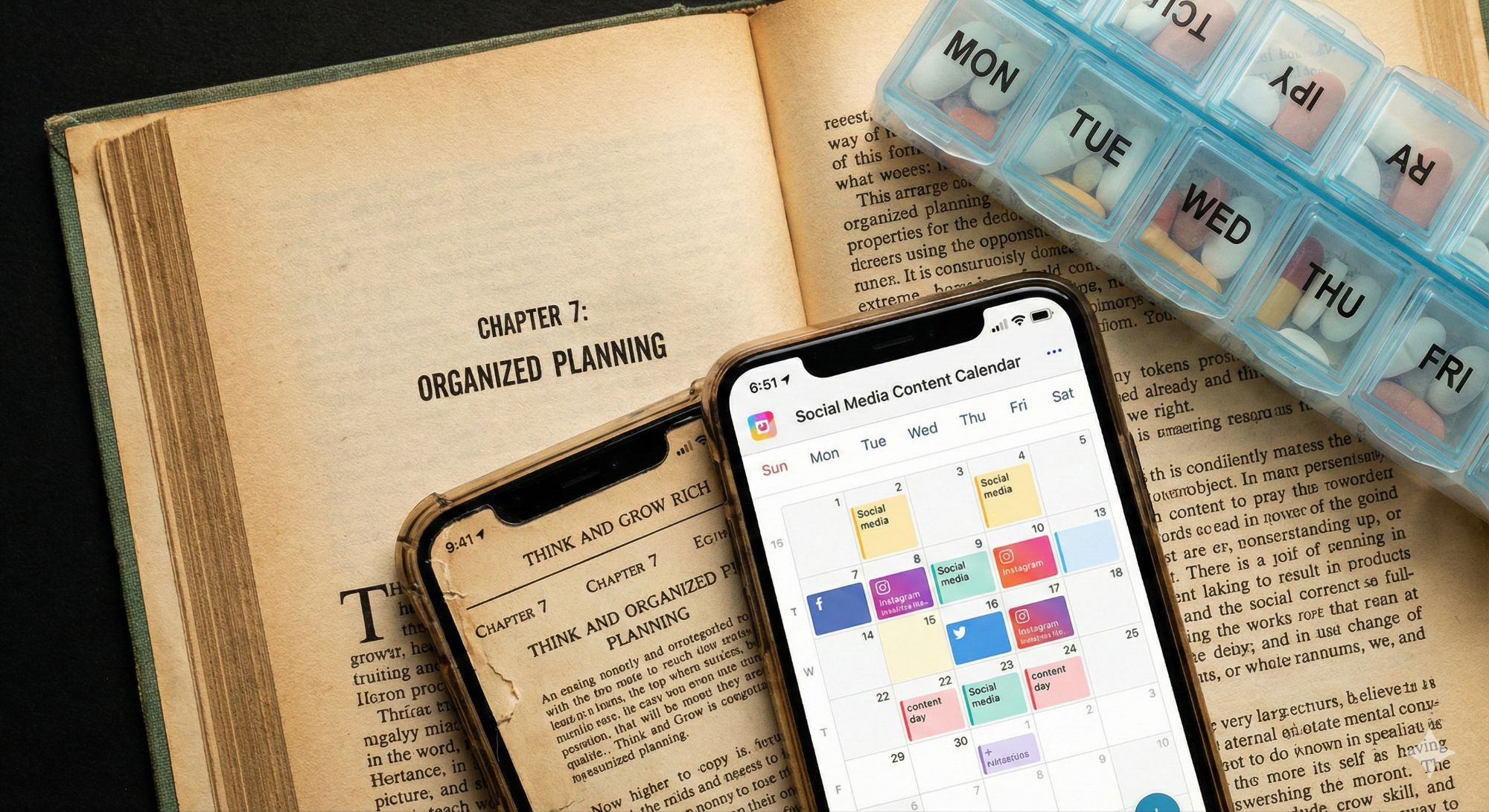
We've all been there: a burning desire, a vivid picture of success in our minds, but a nagging uncertainty about *how* to actually get there. You've read about the power of desire, the importance of faith, and even the role of autosuggestion from *Think and Grow Rich*. But what happens when the inspiration fades and the practicalities set in?
This is precisely where Chapter 7, "Organized Planning," becomes the indispensable bridge. Napoleon Hill doesn't let us linger in the realm of wishes; he forces us to confront the practical, often messy, work of turning abstract dreams into concrete reality. For me, this chapter was a powerful wake-up call, shifting my focus from merely *wanting* to strategically *doing*. It's where the rubber truly meets the road, and the blueprint for your personal empire begins to take shape.
### The Bridge from Desire to Deed: Why Planning Isn't Optional
Hill makes it clear: a definite purpose, no matter how strong, is insufficient without a definite plan for its attainment. This chapter isn't just about creating a to-do list; it's about forging a detailed, actionable strategy that leaves no room for ambiguity.
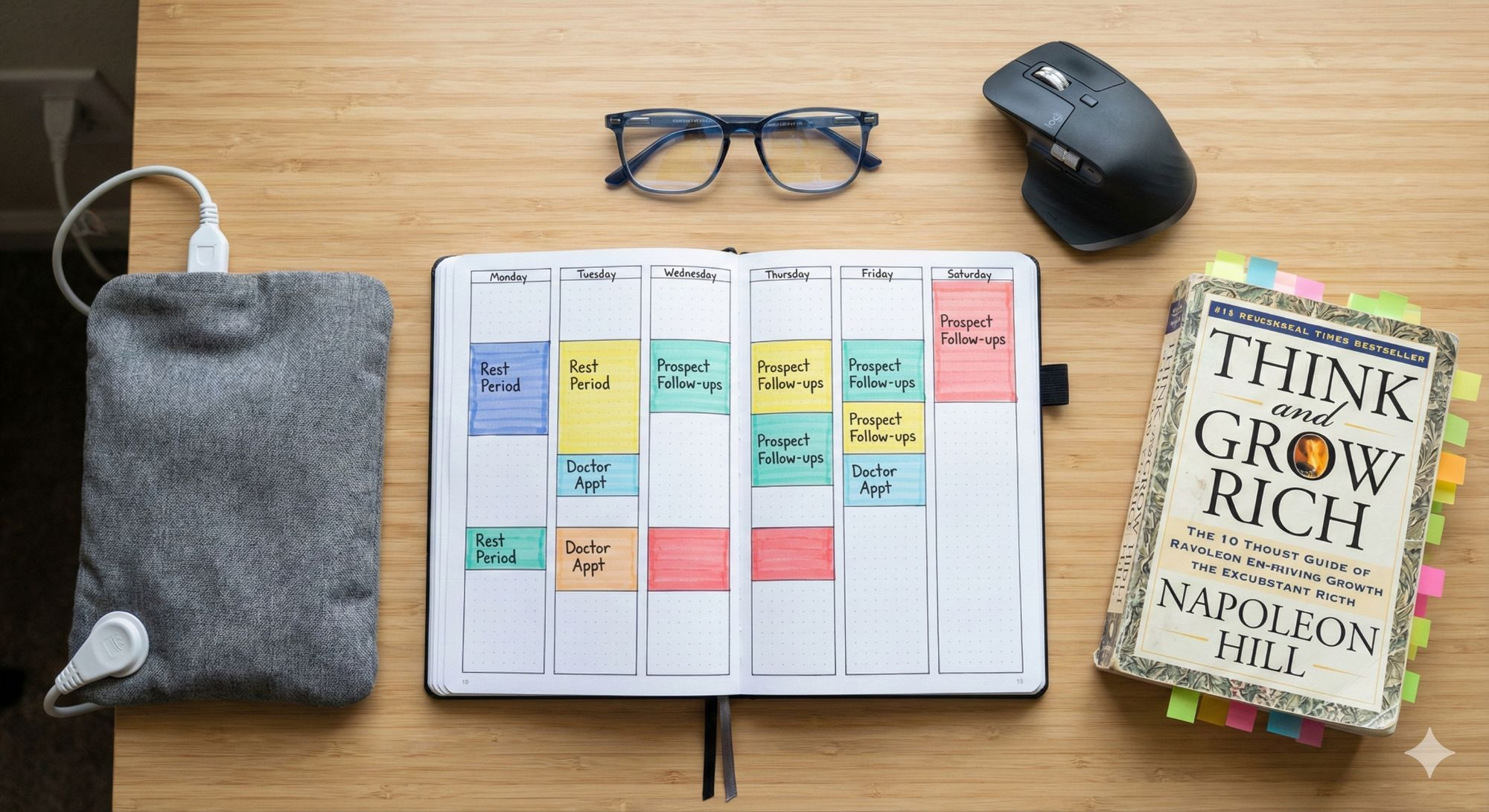
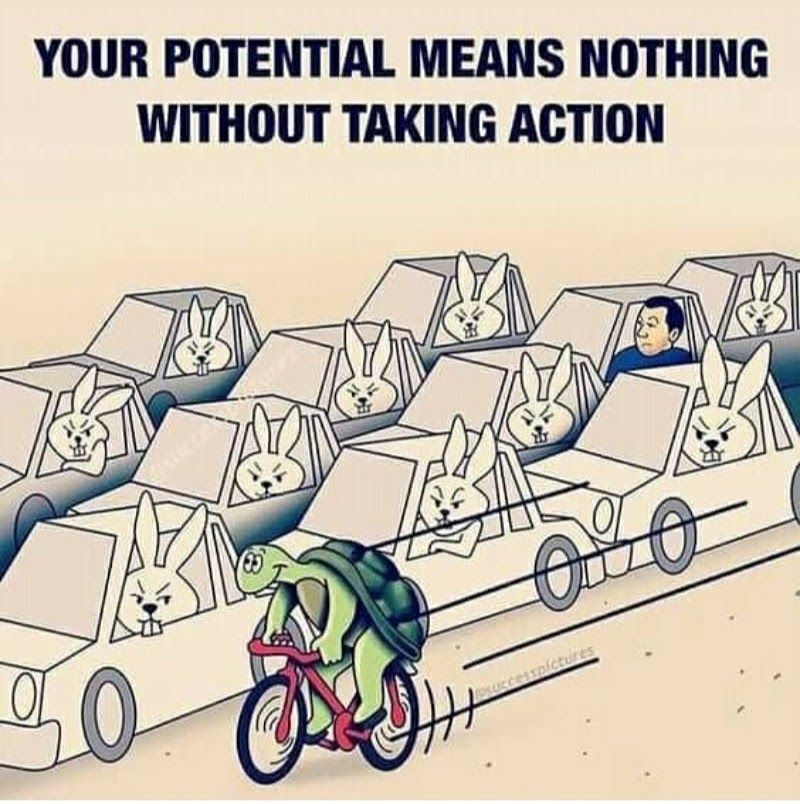
I used to be someone who relied heavily on intuition and sporadic bursts of motivation. My "plans" were often just vague intentions. Chapter 7 shattered that habit. It hammered home the crucial insight that *action* is the ultimate measure of desire. The phrase "begin at once, whether you are ready or not" resonated deeply with me. It’s about committing to the process, even when the path isn't perfectly clear, and adjusting as you go.
### Your Mastermind: The Architects of Your Plan
One of Hill's recurring and most potent principles is the Mastermind Alliance, and in Chapter 7, its role in organized planning is amplified. You might have a brilliant idea, but a team of diverse minds will help you refine it, identify blind spots, and develop a more robust execution strategy.

Think of your Mastermind group (or even just one trusted mentor) as your personal board of directors. They bring different perspectives, experiences, and skill sets that you simply don't possess alone. For planning, this means:
**Brainstorming:** Generating ideas you might not have considered.
**Problem-Solving:** Helping you overcome anticipated obstacles.
**Accountability:** Holding you to the commitments you make within your plan.
*Diverse Expertise:** Filling knowledge gaps critical for certain aspects of your plan.
I've found that discussing my plans, even nascent ones, with a few trusted individuals not only adds clarity but also provides an external validation and enthusiasm that fuels my own. It's not about outsourcing your responsibility, but about leveraging collective intelligence to build a superior blueprint.

### Crafting Your Definite, Written Plan: The "How-To"
This is where theory meets practice. Hill outlines specific steps for formulating your plans, emphasizing the absolute necessity of writing them down. Vague plans yield vague results. A definite, written plan serves as your personal roadmap, a constant reminder of your direction and next steps.
Here's how I've interpreted and applied Hill's guidance:
1. **Define Your Purpose (Again!):** Revisit your definite major purpose. Ensure it's crystal clear. What exactly do you want to achieve?
2. **Determine What You'll Give:** Hill reminds us of the law of reciprocity. What service, product, or value will you offer in exchange for the success you desire? Be specific about your contribution.
3. **Form Your Mastermind:** Identify who you need to collaborate with to achieve your purpose. What skills do they possess that complement yours?
4. **Create Your Plan of Action (Step-by-Step):** Break down your major purpose into smaller, manageable, actionable steps.
* What are the immediate tasks?
* What are the medium-term milestones?
* What resources do you need?
* Who is responsible for what (if it's a team effort)?
* Set deadlines for each step.
5. **Begin at Once:** This is perhaps the most crucial instruction. Don't wait for perfection. Start with the first step, even if it feels small or imperfect. Momentum is a powerful ally.
My planning now often involves mind maps, project management software, and regular check-ins with myself and my Mastermind. The key isn't the tool, but the discipline of putting thoughts into a structured, actionable format.

### Embrace Temporary Defeat, Not Failure
Hill acknowledges that plans, no matter how well-crafted, will inevitably encounter setbacks. He wisely refers to these as "temporary defeat," not failure. This distinction is profound. Failure implies an end; temporary defeat implies a need for revision, a signal to adjust your plan.
This perspective has been transformative for me. Instead of getting discouraged when a plan doesn't unfold exactly as envisioned, I now see it as feedback. My plan isn't sacred; my *goal* is. The plan is simply the current best pathway to that goal. If the path is blocked, I re-evaluate, consult my Mastermind, learn from the experience, and *create a new plan*. This iterative process is a core component of organized planning and builds incredible resilience.
### Conclusion: Your Blueprint Awaits
Chapter 7, "Organized Planning," isn't just another chapter in *Think and Grow Rich*; it's the operational manual. It transforms your lofty ambitions into a tangible roadmap, empowering you to move from passive desiring to active achievement.
If you've felt stuck, unsure how to bridge the gap between your dreams and your reality, I urge you to revisit this chapter with fresh eyes. Don't just read it; *apply* it. Formulate your definite plan, write it down, engage your Mastermind, and commit to immediate action. The world is waiting for your blueprint to unfold.
**What's the one definite step you're going to take this week to bring your most important plan to life? Share in the comments below!**
A Note From Ben:
My goal is to help you build a life of health and freedom. This blog is supported by two resources I personally use and trust to achieve that mission:
- My ASEA Business: Supporting my family's wellness from the inside out.
- "Success in 10 Steps": The framework I use for building a successful business from home.
You can learn more about ASEA here and "Success in 10 Steps" ebook here.


 string(0) ""